The Timeline of the 2026 Election and Its Impact on Agriculture
Elections shape agriculture slowly, through budgets, committees, farm bills and agency decisions. Here is a nonpartisan look at how that chain works and how to follow it.
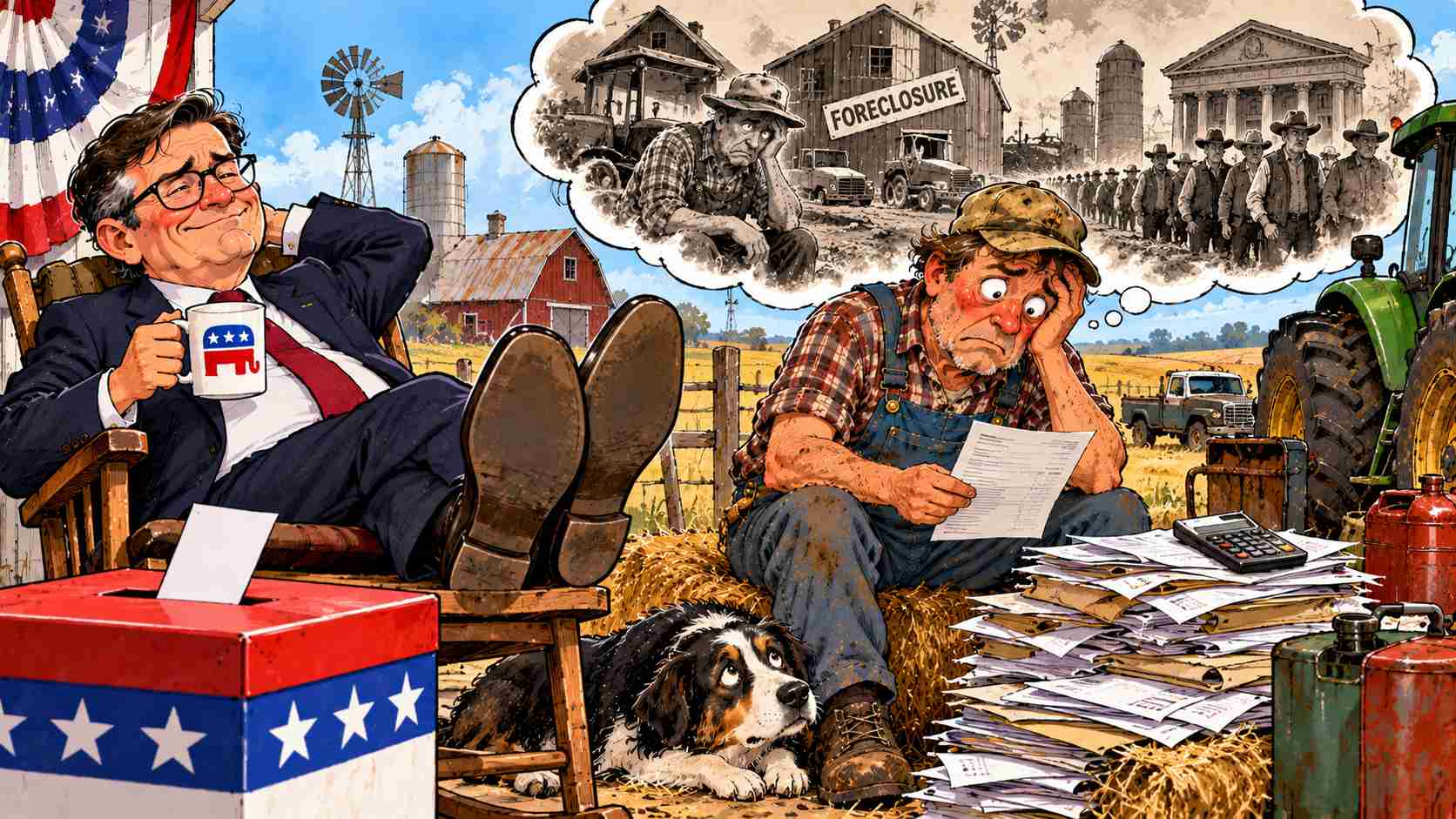
How does an election connect to farm policy?
Elections choose the officials who write laws, set budgets and oversee agencies. For agriculture, that includes farm bills, crop insurance, trade policy, conservation, water and animal health rules. The effect is rarely immediate, because laws take time to pass and agencies take time to write rules.
The headline refers to the 2026 election and its impact on agriculture. This page does not endorse any candidate or party, and it makes no predictions.
The title of this article is an editorial headline. Any claim you see about what an election will do for farmers should be treated as an opinion or forecast until it is backed by a law, a rule or an official analysis.
What is the general timeline from vote to program?
The typical chain runs from election results to new members and committee assignments, then hearings, bills and votes, then signed laws, agency rulemaking and finally program sign-up. Each step can take months or longer, and some proposals never finish.
For dates about voting, ask your county election office or your state's official election website, and do not rely on an article for them.
Because of this delay, farmers often feel the effects of a decision a year or more after the vote, which is why steady planning matters more than quick reactions.
- Election results and new committee assignments
- Hearings and drafting of bills
- Votes and negotiation between chambers
- Signed law and agency rulemaking
- Program sign-up and payments
Which agricultural issues often come up?
Common topics include farm bill programs, dairy margin protection, trade, immigration and labor, water, taxes, regulation and disease response. Different groups weigh these topics differently, and farmers hold a wide range of views.
The House Agriculture Committee and Senate Agriculture Committee are good places to see what is actually being worked on, and Congress.gov tracks bill text and status.
For Texas dairy, trade, labor, water and disease response often come up, since they affect milk prices, workforce and risk in specific ways.
Ask also which issues are state matters and which are federal, since both levels matter on a Texas farm.
What are the strongest arguments on both sides about how much elections matter?
Some argue that elections have large effects on farm life because policy decisions on trade, regulation and spending directly change prices, costs and risks. Others respond that weather, markets and global events matter as much or more, and that farm programs have continued under many different majorities.
Both points hold some truth, and the facts of any specific policy are often disputed. Check the original documents, such as CBO cost estimates and GAO reports, before taking a side.
Neither argument requires you to pick a side. They simply remind us to hold claims loosely.
How can Texas producers follow along fairly?
Read more than one source, and look at what farm groups with different views say. The Texas Farm Bureau, National Farmers Union and National Milk Producers Federation each publish positions. Texas A&M AgriLife Extension provides educational material that avoids partisan advocacy.
The rural farm guide and the farm money guide cover general planning topics that apply whatever happens.
A habit that helps: when you hear a claim, ask what source it comes from and whether the source has a stake in the outcome.
What should you do on your own farm?
Plan for several scenarios instead of betting on one outcome. Keep records, review insurance and margin coverage, talk to your lender and watch official notices. Policy changes are announced, delayed and revised, so flexibility helps.
Use the Farm Service Agency for program details, and confirm every term before you rely on it.
Talk with your family and employees about what matters most to you, and keep disagreements respectful, since farm communities are small.
Where can you read more?
Farm.FM news and farm.FM satire take a lighter look at rural life and politics, and a farm.FM piece on farm policy and elections is a good place to start.
This page is general education only and is not election advice.
A short list of local sources, such as your extension office, your cooperative and one national farm group, is usually enough to stay informed without being overwhelmed.
Sources and further reading
- House Agriculture Committee: farm bill and ag policy in the House
- Senate Agriculture Committee: farm bill and ag policy in the Senate
- Congress.gov: bills and legislative status
- Congressional Budget Office: cost estimates for federal programs
- GAO: government watchdog reports
- USDA Farm Service Agency: FSA farm programs and loans
Ask locally: Ask your AgriLife Extension agent and your county FSA office how current farm policy decisions could affect your operation.