April 1, 2026: The Start of the Spring Flush
April 1 is a convenient marker, but a flush does not arrive on a date. It builds with new grass, fresh cows and milder weather. Here is what happens on a Texas dairy as milk climbs, and how to get ready.
What is the spring flush?
The flush is the seasonal bump in milk production that many regions see in spring. Mild temperatures, good feed and a cluster of recently calved cows push volume up across the whole supply chain at once. The April 1 date in our headline is a calendar handle, not a rule of nature.
On the Texas High Plains the pattern is less dramatic than in some grazing regions, since many herds calve year round. Still, spring weather helps cows eat and produce, and processors notice the extra volume.
Ask older producers in your area what spring looked like when they started. Their memories of weather, feed and prices make a useful sanity check against any chart.
Why does more milk sometimes mean less money?
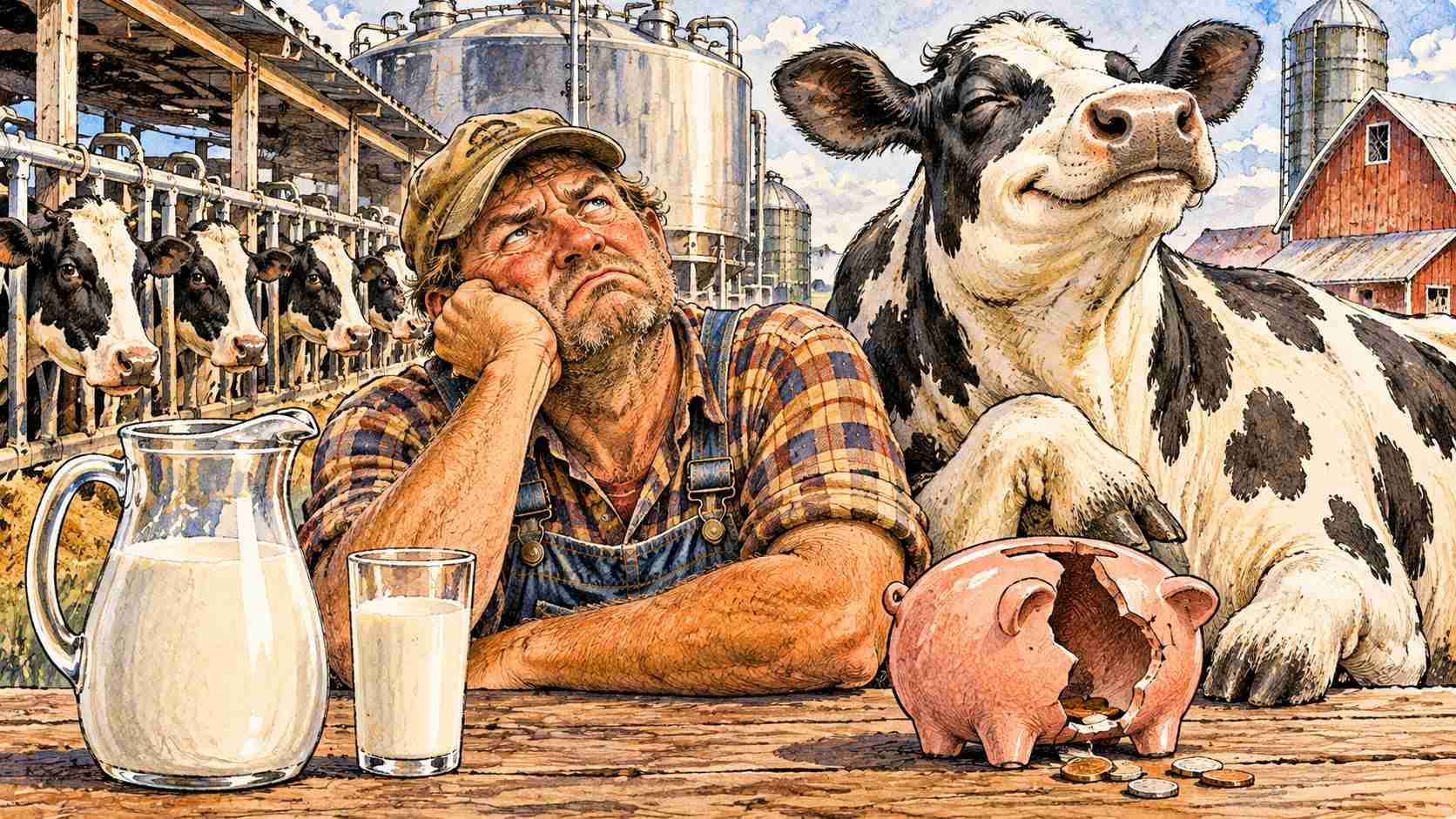
When more milk hits the market, buyers have bargaining power and prices can soften. Prices reflect national supply, demand and product values, so look at the current reports from USDA Dairy Market News and the USDA NASS milk production releases instead of guessing.
A strong flush can also strain plant capacity. Ask your handler how they manage spring volume, and whether hauling schedules or balancing charges can change. Terms vary by buyer, so read your contract.
How should you prepare the herd?
Cows pushing peak production need good rations, clean water and comfortable stalls. Work with your nutritionist on the ration for fresh and high cows, and watch body condition. A vet visit before the busy stretch is cheaper than a crisis in the middle of it.
The cow care basics at this dairy herd guide cover housing, comfort and milk quality, which all matter more when volume is high.
- Review rations with your nutritionist
- Check parlor throughput and milking times
- Service coolers and bulk tank equipment
- Confirm hauling schedule with your handler
What about labor and parlor capacity?
More milk means more minutes in the parlor. If your crew is already stretched, a flush can turn long shifts into dangerous ones. Plan for coverage, cross-train a spare milker, and watch for fatigue, which is a safety risk.
The guidelines at OSHA and the farm safety guidance at this farm safety site are good references on training and protective equipment.
One more practical point: new employees hired in spring often do their first parlor shifts during the busiest weeks. Pair them with an experienced milker for the first few days, and write down the routine so it does not live only in one person's head.
How do you keep cash flow steady?
A bigger milk check can tempt you to spend. Many producers instead use strong months to build reserves, pay down high-cost debt or prepay inputs, depending on their own plans. Talk through it with your lender and tax preparer.
Look at current commodity and feed prices before you commit. USDA ERS publishes analysis of dairy and feed markets, and the money pages at this farm money guide explain budgeting concepts. This is general education, not financial advice.
If you are considering a major purchase, such as a cooler upgrade or extra stalls, give the decision a few weeks before the flush peaks. Getting quotes in writing and checking them against your budget is wiser than choosing during a rush.
What local resources can help?
Texas A&M AgriLife Extension specialists and local agents can help with rations and herd management, and the Texas Department of Agriculture posts state programs. Ask other dairy folks in Hereford and around the Panhandle how they handled last spring.
If milk quality or animal health issues show up, call your vet first, and follow reporting rules from the Texas Animal Health Commission when they apply.
Neighbors can be a resource too. Dairies that share hauling, equipment or labor in spring often come out ahead, provided the arrangement is written and clear.
Where can you read more?
For a laugh about milk piling up, farm.FM has dairy stories and farm satire that will fit the mood, and a farm.FM piece on the spring milk surge is a nice companion to this one.
Keep your own records from this spring. Next year they will be the best guide to what a flush really looks like on your farm.
Sources and further reading
- USDA Dairy Market News: weekly dairy price reports
- USDA NASS: agricultural statistics and surveys
- USDA Economic Research Service: farm economy data and analysis
- OSHA: workplace safety
- Texas A&M AgriLife Extension: Texas extension service
- Texas Animal Health Commission: animal disease rules
Ask locally: Ask your nutritionist, your handler and your county Extension agent how spring volume is shaping up locally.