The Timeline of the Next Winter Storm
A winter storm on a Texas dairy is a sequence, not a single bad day. Laying out the order of events helps you decide what to do first when the forecast turns ugly.
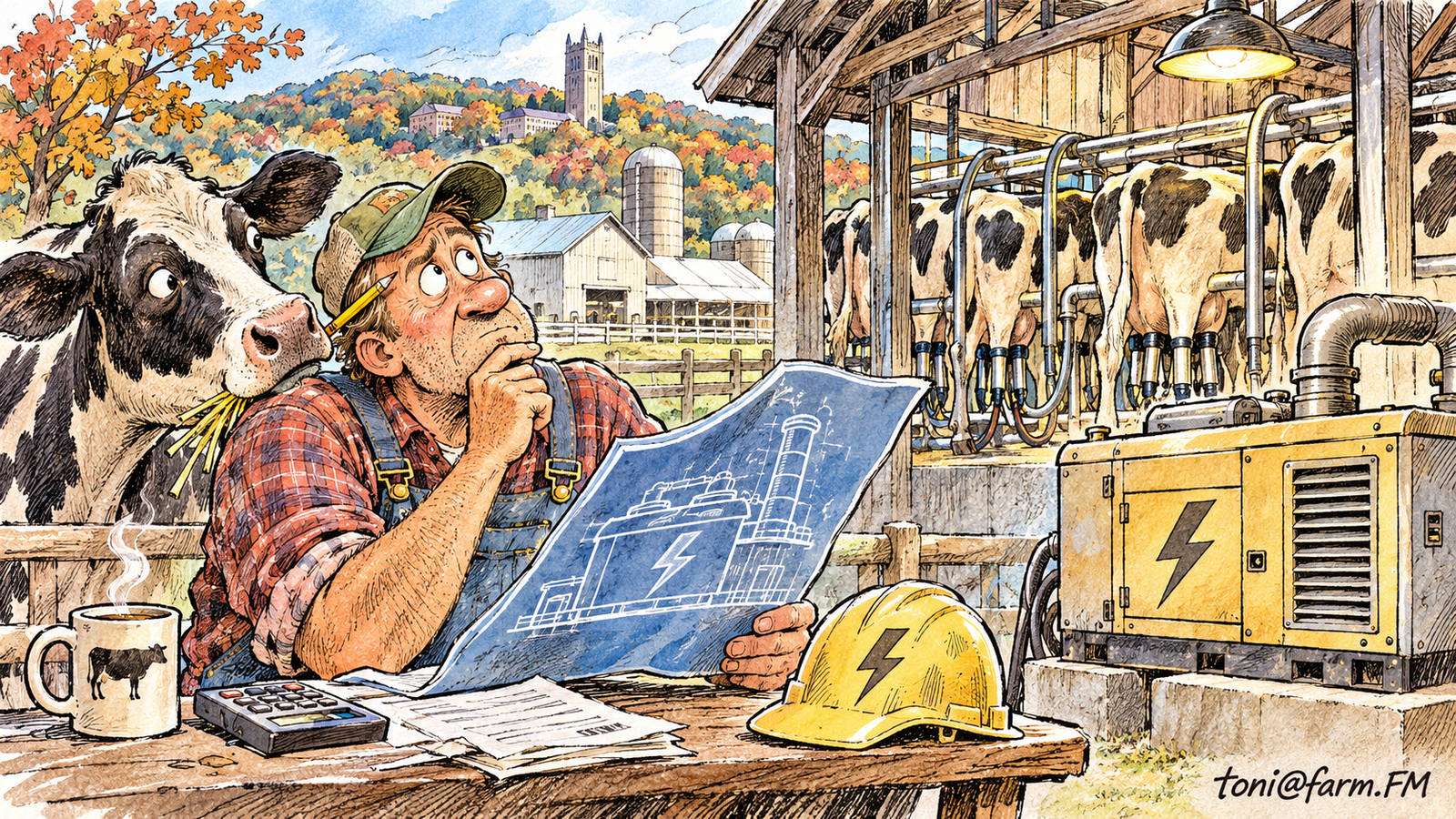
How early should a winter storm plan begin?
Long before the first front. Texans have learned that even a short freeze can break pipes, stall tractors and knock out power for days. The best plan gets written in the fall, when the weather is mild and everyone has time to think. Put it on paper, share it and review it before the first hard freeze.
A good timeline has four stages: the outlook stage, the final preparation stage, the storm itself and the cleanup stage. Each stage has a few tasks that matter more than the rest. That focus is what keeps a tired crew from spinning on small details.
What belongs in the outlook stage?
When forecasters start talking about a cold outbreak, read the National Weather Service forecast discussion for the Panhandle and check the outlooks for how long the cold might last. That tells you how many days of fuel, feed and water you need on hand. Duration matters more than the lowest temperature in many cases.
This is also the moment to call your milk hauler or cooperative field representative to ask how pickup will be handled if roads become bad. Their answers will shape how much milk storage you need and how long you can hold it. Write down names and numbers, not just the plan.
- Confirm milk pickup expectations and backup options
- Top off fuel for generators and farm vehicles
- Check feed inventory against a worst case forecast
- Fill and protect water sources that can freeze
What should be done in final preparation?
Get the generator tested under a real load, not just started. Check that the transfer switch and hookups are sound and that someone knows how to run them. Drain or heat exposed lines, wrap what you can and keep spare fittings. A quick note from Texas A&M AgriLife Extension on livestock and cold can help your planning.
For animals, work with your vet and nutritionist about bedding, windbreaks and feed adjustments. These decisions depend on your facilities and herd, so avoid one size advice. The dairy herd care guide offers general background to bring to that conversation. For a wider view of cold season science, the NOAA winter weather pages and the OSHA cold stress guidance are both worth a read before the first freeze.
What happens during the storm itself?
Safety comes first. Limit travel, keep a crew roster of who is on site and check on each other. Cold, ice and fatigue are a dangerous mix around animals and equipment. The Ready.gov winter storm pages lay out personal preparedness steps worth reviewing with your family, and a farm safety refresher at this farm safety resource is handy.
Keep milking and feeding routines as close to normal as the situation allows, and log every disruption with a time. If power fails, work through your written steps, not your memory. Call your electric provider and keep your phone charged, since communication tends to break before everything else.
How do you handle cleanup and recovery?
Once the roads open, expect a second wave of work: thawing, repairs, catching up on feed and checking animals for cold injury. Prioritize the items that affect animal welfare, then the ones that restore milk flow, then the rest. Photograph damage before you touch it, and keep receipts.
If losses are significant, contact the Farm Service Agency and your insurance agent early to ask what programs and documentation apply. Rules and eligibility change, so confirm current terms instead of relying on what a neighbor heard years ago.
One more habit worth keeping: write down which tasks took longest and which people were stretched thin. Those notes tell you where an extra set of hands or a spare part would have changed the outcome.
What can you learn from each storm?
After the event, gather the crew and talk through what went right, what went wrong and what nearly went wrong. Update your written plan the same week while it is fresh. Small fixes such as labeled shutoff valves or a better generator cord will matter more next time than any grand strategy.
Sometimes a laugh helps the debrief land. Over at farm.FM they cover cold snaps with a straighter face and a lighter one, including a farm.FM piece on winter on the farm. You can also visit the farm.FM dairy page for more reading, or farm economics coverage for the cost side of storms.
Sources and further reading
- National Weather Service: forecasts and warnings
- Texas A&M AgriLife Extension: Texas extension service
- NOAA: climate and weather science
- OSHA: workplace safety
- Ready.gov: FEMA disaster preparedness
- USDA Farm Service Agency: FSA farm programs and loans
Ask locally: Ask your electric provider, milk hauler and county Extension agent how storm response works in your part of the Panhandle.