The Best Time to Calve in Texas: A Seasonal Guide
A dairy needs calves year round, but the season still matters. Heat, cold, mud and workload all shape how easy calving is. Here is how to think about timing on a Texas dairy.
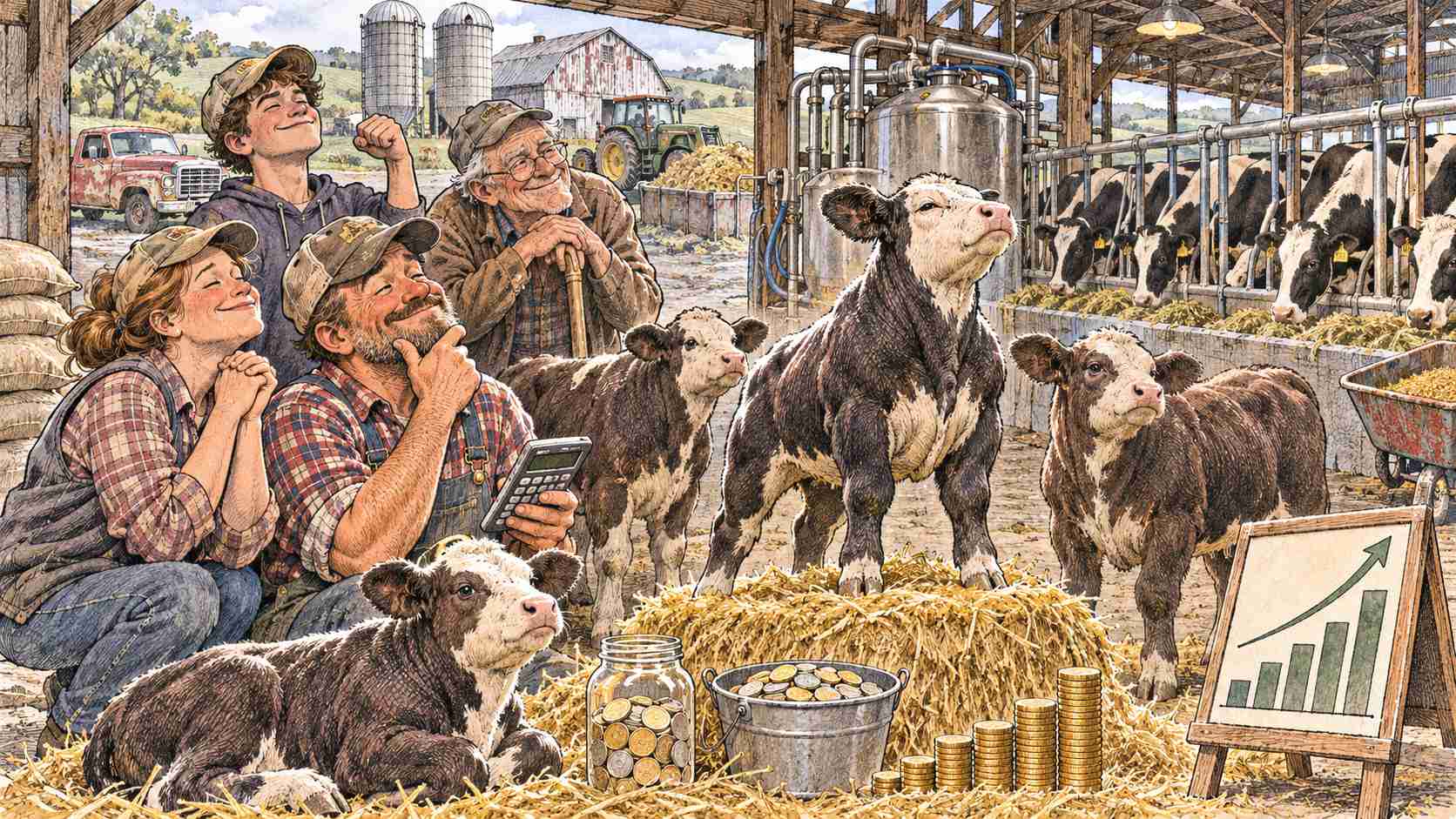
Does calving season matter on a dairy?
Many dairies calve year round to keep milk flowing evenly, while others group calvings to simplify labor or feed. Either way, the weather at calving shapes cow comfort, calf health and how hard the crew works.
Beef herds often pick a calving window to match grass and markets, but this guide focuses on dairy. Ranch readers can see this beef cattle resource.
Dairies that calve year round can still pick which months to avoid heavy calving. Some adjust breeding to keep the hottest months lighter, while others accept summer calvings and invest in cooling.
How does summer heat affect calving?
Heat stress hurts cows. It cuts feed intake, milk and fertility, and fresh cows are especially vulnerable. A Texas summer needs shade, airflow, water and sprinklers in the maternity and fresh pens. Check that cooling equipment works before the hot months.
Cow comfort guidance is available through Texas A&M AgriLife Extension and the National Weather Service publishes heat advisories worth watching.
In the Panhandle, plan for sudden swings. A warm afternoon can be followed by a freezing night, so keep both cooling and warming supplies ready in the same season.
- Shade and ventilation in maternity pens
- Clean, plentiful drinking water
- Cooling systems tested ahead of heat
- Extra monitoring during heat advisories
What about cold, wet weather?
Winter storms, wind and mud create their own risks. Newborn calves lose body heat quickly, and wet bedding raises disease risk. Dry, windbreak-protected maternity areas, deep clean bedding and quick colostrum feeding make a big difference.
The Panhandle can swing from warm to bitter in a day, so a plan for cold snaps is part of calving readiness.
A dry corner, a heat lamp or warming box and a stack of clean towels are cheap compared with a lost calf. Keep supplies where you can reach them at night.
What matters most for the calf?
Colostrum is the priority. Fed promptly and in sufficient quality and quantity, it gives calves early immune protection. Work out a protocol with your veterinarian, including how to check quality and what to do when a cow's colostrum is poor.
For herd health basics, see this dairy herd care guide. Keep calf pens clean, dry and well ventilated, and keep records of calves' health.
Document every calf: date, birth weight if you record it, colostrum timing and health events. Those records help you spot patterns later.
How does labor fit in?
Calving needs people on duty. Night checks, assisted deliveries and fresh cow care all take hours. If you group calvings, you may stretch the crew. If you spread them, the load is steady but constant. Be realistic about what your staff can do.
The Texas Workforce Commission provides employer information, and this farm safety resource can help with safe handling of cows and calves. Cows protecting newborns can be dangerous.
Think too about how you will recruit and keep night help. Fair pay, clear instructions and a calm place to ask questions make calving shifts less miserable.
How do you decide your own calving pattern?
Compare options on cow comfort, labor, feed and milk marketing. Look at your milk buyer's pricing and any seasonal incentives, and ask your lender how cash flow looks in each scenario. Weather and market patterns can change, so keep records and revisit the plan each year. The USDA Economic Research Service also publishes dairy cost and return analysis.
For market information see USDA Dairy Market News, and for herd data the USDA NASS. The farm.FM site has dairy stories and ranching stories, and a farm.FM look at calving season gives a lighter view.
What should a calving checklist include?
Write it down and post it. A short list reduces mistakes when people are tired. Update it each year with what you learned.
Include who to call for a difficult birth, where supplies are kept, how to record the birth and when to call the vet. Share it with every worker who handles calves.
- Clean, dry maternity pens
- Calving supplies stocked
- Colostrum protocol posted
- Emergency numbers on the wall
- Records for each birth and calf
Sources and further reading
- Texas A&M AgriLife Extension: Texas extension service
- National Weather Service: forecasts and warnings
- Texas Workforce Commission: employment and labor programs
- USDA Dairy Market News: weekly dairy price reports
- USDA NASS: agricultural statistics and surveys
- USDA Economic Research Service: farm economy data and analysis
Ask locally: Ask your veterinarian to review your colostrum protocol and maternity pen setup before the next busy stretch.