The Best Time to Plan for Farm Succession
The best time to plan succession is earlier than feels comfortable. Here is how families start the conversation, who to involve and what to write down.
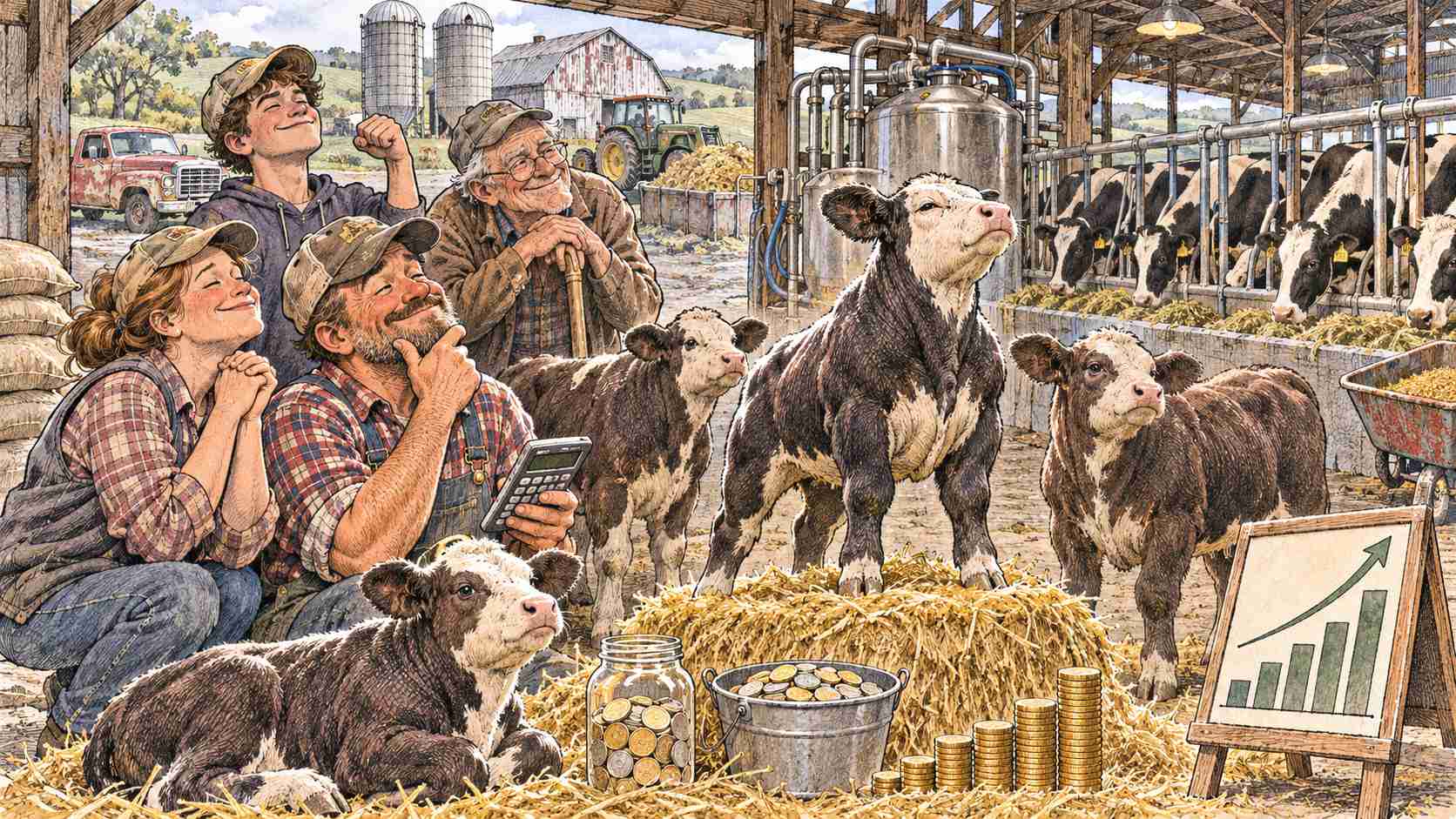
Why start early?
Succession touches land, cows, equipment, money, labor and family relationships. It takes years to do well. A planned handoff gives the next generation time to learn and the current owners time to prepare for what comes next.
This is general education, not legal, tax or financial advice. An attorney and a tax professional need to be part of the process.
There is no perfect plan, only a plan that gets done. Many families wait for the right moment and then lose years. Starting imperfectly is better than not starting.
When is the right moment to begin?
Any time is better than waiting for a crisis. Good triggers include a child returning to the farm, a health scare, a major investment, approaching retirement or a change in the business structure.
Schedule a family meeting and put it on the calendar. A neutral facilitator can help if conversations get tense.
If the farm supports more than one household, include a conversation about whether it can. Honest numbers help families make decisions without resentment.
Some families find it easier to start with a simple question: what would we want the farm to look like in ten years? Let each person answer separately and compare notes.
- A family member joins the operation
- A major investment or expansion
- Health events or approaching retirement
- A change in ownership or lending
Who should be at the table?
Include owners, successors and anyone affected, such as siblings not working on the farm. Add an attorney, an accountant, a lender and an adviser from the Texas A&M AgriLife Extension office, which often runs farm transition programs.
Be honest about expectations. Fairness and equal are not always the same thing, and families that talk early avoid bad surprises.
Write down what each person wants. You may find that goals line up better than you feared, or that you need to fix differences early.
Set ground rules for the meeting: one person talks at a time, no decisions on the first day and notes go to everyone afterward.
What should you document?
List assets, debts, leases, contracts, herd records and key relationships with buyers and suppliers. Write down how decisions are made, who does what and what knowledge lives in someone's head.
Put roles and timelines in writing. A plan that exists only in conversation tends to get remembered differently by each person.
Document the unwritten knowledge: how the water system works, which cows need special care, who the key contacts are, where the records live. This is often the most valuable page in the plan.
- Asset and debt list
- Lease and contract summary
- Herd and breeding records
- Key buyers, suppliers and contacts
- Who makes which decisions
What do the money and legal pieces involve?
Topics include wills and trusts, business structure, estate and gift tax, buy-sell terms, insurance and financing the transfer. The IRS publishes tax guidance, and FSA loan programs include options aimed at beginning farmers, so check current terms.
For lenders and credit, see Farm Credit and this farm money guide. Texas has its own rules, so rely on a licensed Texas attorney.
Many state and federal programs help beginning farmers, so ask your county FSA office and Extension agent about what is available now.
A written agreement on how the business pays the retiring owners helps avoid friction between generations later.
How do you teach the next generation?
Give successors real responsibility in stages: a herd, a budget, a hiring decision. Let them make some mistakes while you are around. Offer training and outside experience.
For careers and skills in agriculture, see this ag jobs and careers guide, and for general rural resources see Farmers.gov.
Include the retiring generation too. What will they do, where will they live and how will they be supported? A good plan protects them as well.
A mentor from outside the family can offer honest feedback that relatives may not.
How do you keep going when it gets hard?
These talks can be emotional. Take breaks, set rules for discussion and revisit the plan regularly. Farm stress is real, and 988 (call or text) is available through the 988 Suicide & Crisis Lifeline.
For some relief, farm.FM runs dairy stories and farming stories, including a farm.FM piece on farm succession.
Revisit the plan every year, since families, markets and laws change.
Sources and further reading
- Texas A&M AgriLife Extension: Texas extension service
- IRS: federal tax guidance
- FSA Farm Loans: FSA direct, guaranteed, microloan and emergency loan information
- Farm Credit: cooperative agricultural lending network
- Farmers.gov: USDA one-stop site for producers
- 988 Suicide & Crisis Lifeline: call or text 988
Ask locally: Ask a Texas attorney experienced in farm transitions and your Extension office about succession workshops.