May 1, 2026: SBA’s Expanded International Trade Loan Program Begins
Our headline says an expanded SBA international trade loan program begins May 1. Treat that as a claim to verify. This primer explains how trade loans work in general and what a dairy should ask before it considers one.
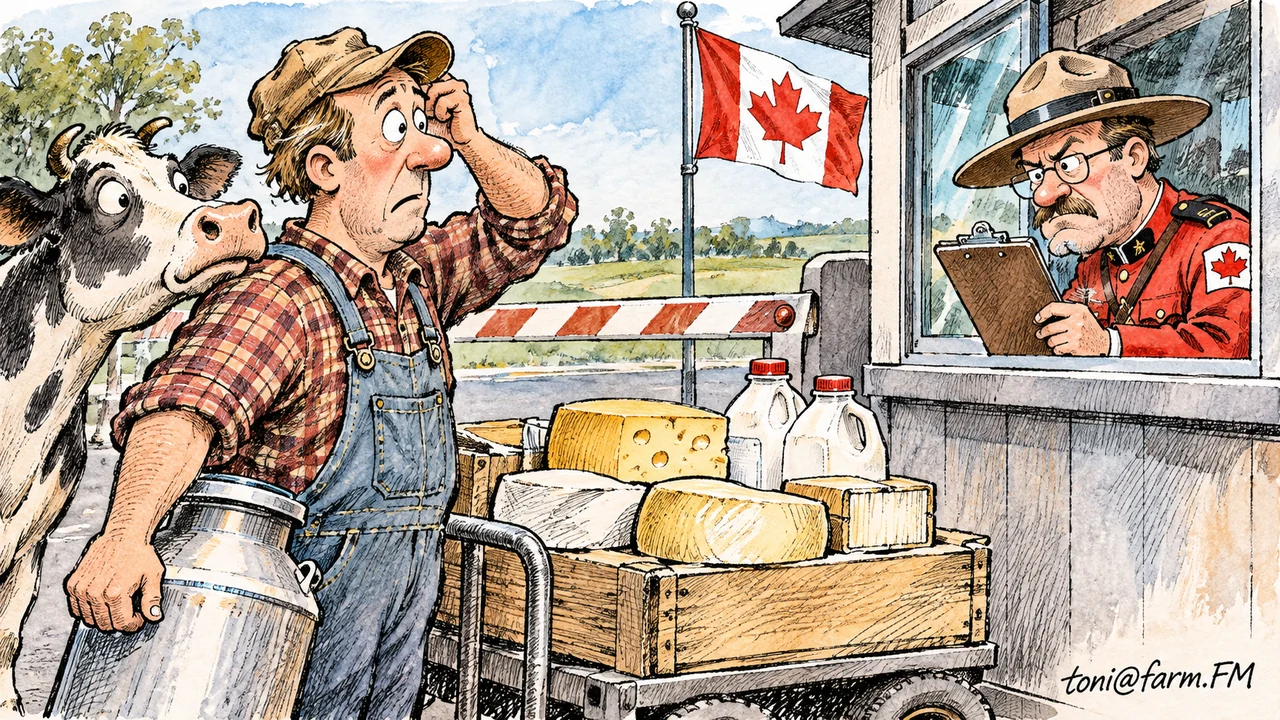
What is an international trade loan?
In general, SBA-backed trade loans are a kind of guaranteed lending where a participating lender makes a loan and the government agency backs part of it, aimed at businesses that export or compete with imports. The agency does not usually lend directly in this arrangement.
Whether and how a program was expanded, and what changed on May 1, must be checked on the SBA website. Terms, limits and eligibility change, and any figure you see elsewhere may be out of date.
In practice, a dairy would not apply for this kind of credit in isolation. The business would ask whether an exporter, processor or equipment buyer in its chain would need financing, and whether the farm's own plan has any overseas link at all.
Why would a dairy care?
Most Texas dairies sell milk to a handler, not overseas. But dairy exports matter to the market that sets your price, and some processors, cheese makers and input suppliers use trade finance. Understanding it helps you read the news.
Data on trade and exports are published by the USDA Foreign Agricultural Service and the U.S. Dairy Export Council. These explain where dairy products go and why it matters at the farm gate.
That makes trade literacy useful even if you never borrow. Tariff changes and shipping disruptions can show up in your price months later, so it pays to know who sets the rules, and rural business and community coverage at this rural farm life guide gives wider context.
Is a dairy farm even eligible?
Eligibility depends on the program's current rules, the business structure, size standards and whether the applicant is truly in trade. Some agricultural operations qualify for some SBA products and not others. Do not assume. Ask a lender or the agency directly.
This site is an independent education site and does not make or arrange loans. Nothing here is financial, legal or tax advice.
A few questions for any lender or counselor: Is my business type eligible? Does the guarantee reduce my collateral needs? What happens if my export customer pays late? Write the answers down so you can compare options side by side.
How should you compare lenders?
If a trade or export loan is relevant to you, compare more than one source: local banks, credit unions, Farm Credit associations and FSA programs. Ask each about fees, collateral, term, payment schedule and what the guarantee changes for you.
Education pages such as the Farm Credit network and FSA farm loan information offer comparison points, and the farm money basics explain how to read loan terms.
- Interest rate type and how it can change
- Fees and closing costs
- Collateral and personal guarantees
- Prepayment terms
- Reporting requirements
What should you bring to a lender?
Bring financial statements, tax returns, a cash flow projection, a list of debts and a plain-language plan. A lender wants to understand how the money produces repayment. Be ready to explain the market you are selling into.
SBA counseling partners can review your plan. Look for resources through the SBA counseling page, and ask whether any services are free or low cost.
A clear plan covers who buys your product, what they pay and when, what could delay payment, and how you would still make loan payments if a shipment fell through. Lenders respect that kind of honesty.
How do Texas regulators fit in?
Banks that make loans in Texas are regulated by federal and state authorities. The Texas Department of Banking and the FDIC offer consumer information, and the CFPB publishes guides on borrowing. Check that any lender you talk to is properly licensed or chartered.
If something feels rushed or too good to be true, slow down and talk to a licensed professional.
Some loan scams target small businesses with promises of guaranteed approval. A real lender will not demand large upfront fees before reviewing your file, and will give written terms. If something seems off, contact the state banking regulator.
Where can you see a lighter take?
Trade policy can feel like a Rubik's Cube with tariffs. For the economics side, try farm.FM's agribusiness stories and dairy coverage, plus a farm.FM story on dairy trade.
Then go back to the source. The official SBA page is where program details live, and a quick call to a lender will tell you whether any of it applies to you.
Sources and further reading
- SBA: small business loans and counseling
- USDA Foreign Agricultural Service: export markets and trade data
- U.S. Dairy Export Council: dairy exports
- Farm Credit: cooperative agricultural lending network
- Texas Department of Banking: state bank regulator
- CFPB: consumer finance protection
Ask locally: Talk to a licensed lender or SBA counseling partner about eligibility, and ask your accountant how financing would affect your books.