June 5, 2026: Avian Influenza Detected in a Texas Dairy Herd
Our headline reports a detection of avian influenza in a Texas dairy herd on June 5. This site is a calendar, not a health authority, so treat this as a prompt to confirm facts with official sources and tighten your own biosecurity.
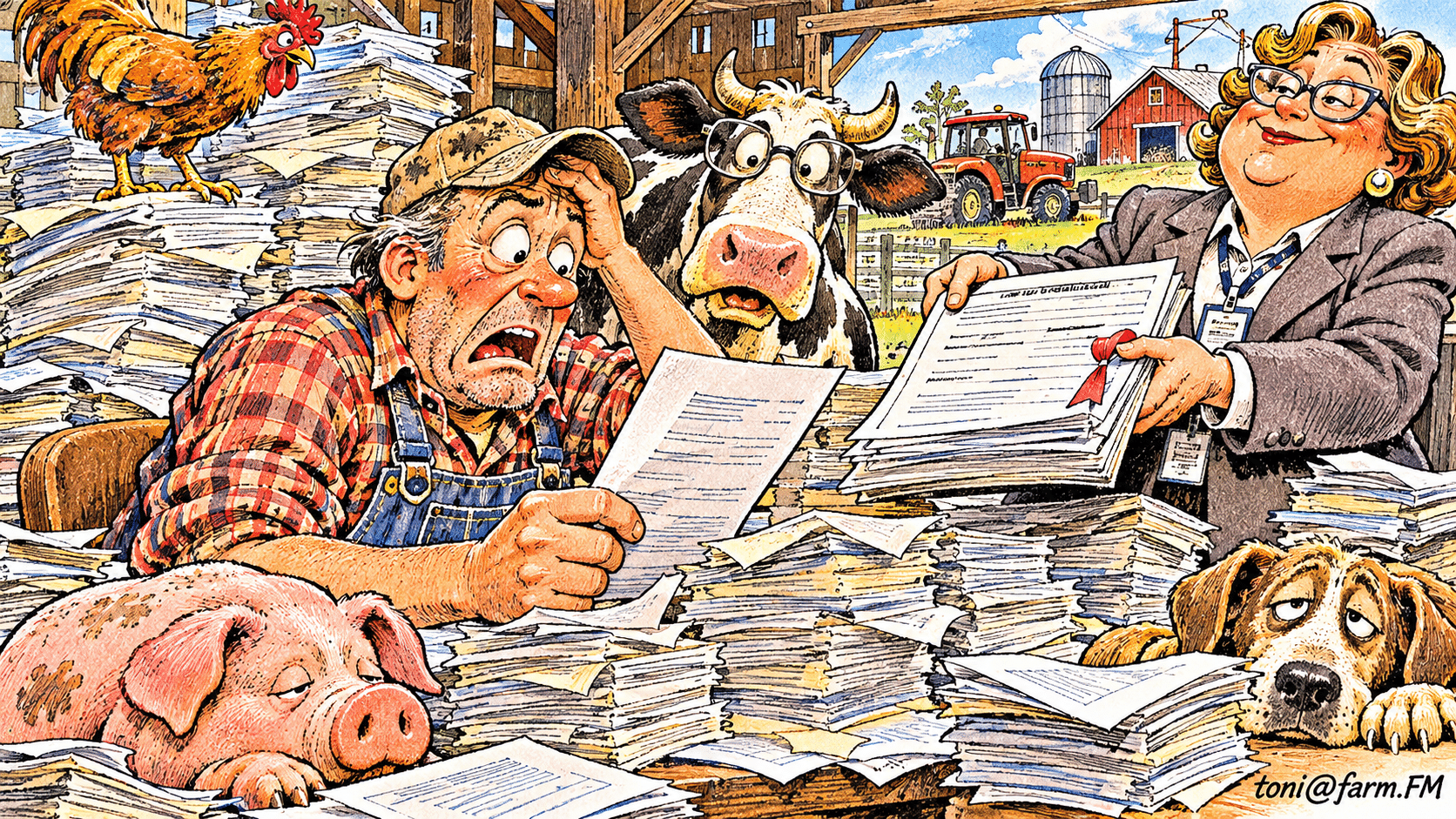
How should you treat a headline like this?
Animal disease news moves fast and sometimes gets garbled. Before you change your plans, read the official statement from the Texas Animal Health Commission and the USDA APHIS pages. Those are the places where confirmations, movement rules and reporting instructions are posted.
Figures, locations and rules on any third-party site, including this one, may be outdated. Verify with the agency.
Because the situation can change quickly, check official pages on the day you read this, and again before you make any decision about animals, shipments or events.
What is avian influenza, in plain terms?
It is a viral disease best known in birds, which in recent years has also been found in some dairy cattle. Scientists and agencies are still learning about it. Our job here is not to describe the science but to point you to those who can, such as APHIS and the CDC.
Do not rely on rumors. Ask your veterinarian what the current situation means for your herd.
What should you do if cows look sick?
Call your veterinarian right away and follow their instructions. Report suspected cases as the state requires. Keep sick animals separated as advised, and avoid moving animals or equipment until you have guidance.
Write down what you see and when it started. Clear notes help the vet and the regulators work faster.
Do not bring a suspect animal to a vet clinic or show without calling first. A phone call lets the clinic plan how to receive it without exposing others.
- Call your vet first
- Follow state reporting instructions
- Limit animal and vehicle movement as advised
- Keep records of symptoms and dates
What are basic biosecurity steps?
Biosecurity means limiting what comes onto and off the farm. Control visitors, clean and disinfect equipment and vehicles, keep wild birds and rodents away from feed and water where practical, and give workers clear rules. Ask your vet to tailor the plan to your farm.
General herd health practices appear at this dairy herd care guide, and worker safety information is at this farm safety guide. Protective equipment advice should come from public health sources.
Include your milk hauler, feed delivery drivers and technicians in your biosecurity plan. Give them a designated parking and turnaround area, and ask them to clean boots and tires. Most are used to these rules and appreciate the clarity.
How can you protect your crew?
Workers are the farm's first line, so give them clear information and the right gear. Public health guidance on exposure and symptoms comes from the CDC guidance, and the OSHA site has workplace advice. Encourage anyone feeling unwell to see a doctor.
Make sure employees know they will not be punished for reporting symptoms. Fear of lost pay keeps people quiet, and quiet is dangerous.
What about milk safety and your business?
Milk safety rules are set by regulators, with the FDA and state authorities, and are enforced through pasteurization and testing. Ask your handler and regulators what applies to you, including any testing or movement rules that affect shipments.
If a detection affects your income, talk to your lender early. FSA and local lenders may have options, and your accountant can help you document losses. This is general education, not legal or financial advice.
Events such as fairs and shows may adjust their rules when disease is in the news. Check with organizers and the state before you move animals to an exhibition, since requirements can change quickly.
Where can you find support and updates?
Disease news is stressful. If worry becomes heavy, you are not alone. The 988 Suicide & Crisis Lifeline is available by call or text at 988. farm.FM keeps a lighter eye on the industry at farm news and satire and dairy stories, but for this topic the official pages come first.
For a related read, see a farm.FM story on avian flu and dairies. Verify the date, the herd and the rules with the agencies before you act.
Sources and further reading
- Texas Animal Health Commission: animal disease rules
- USDA APHIS: animal and plant health
- CDC: public health
- OSHA: workplace safety
- FDA: food and drug safety
- 988 Suicide & Crisis Lifeline: call or text 988
Ask locally: Call your herd veterinarian and the Texas Animal Health Commission for current reporting and movement rules.