1900: The Birth of the Modern Texas Dairy Industry
Our headline marks 1900 as the birth of the modern Texas dairy industry. History rarely has a single birth date, so treat the year as a headline claim to test against sources. This guide shows how.
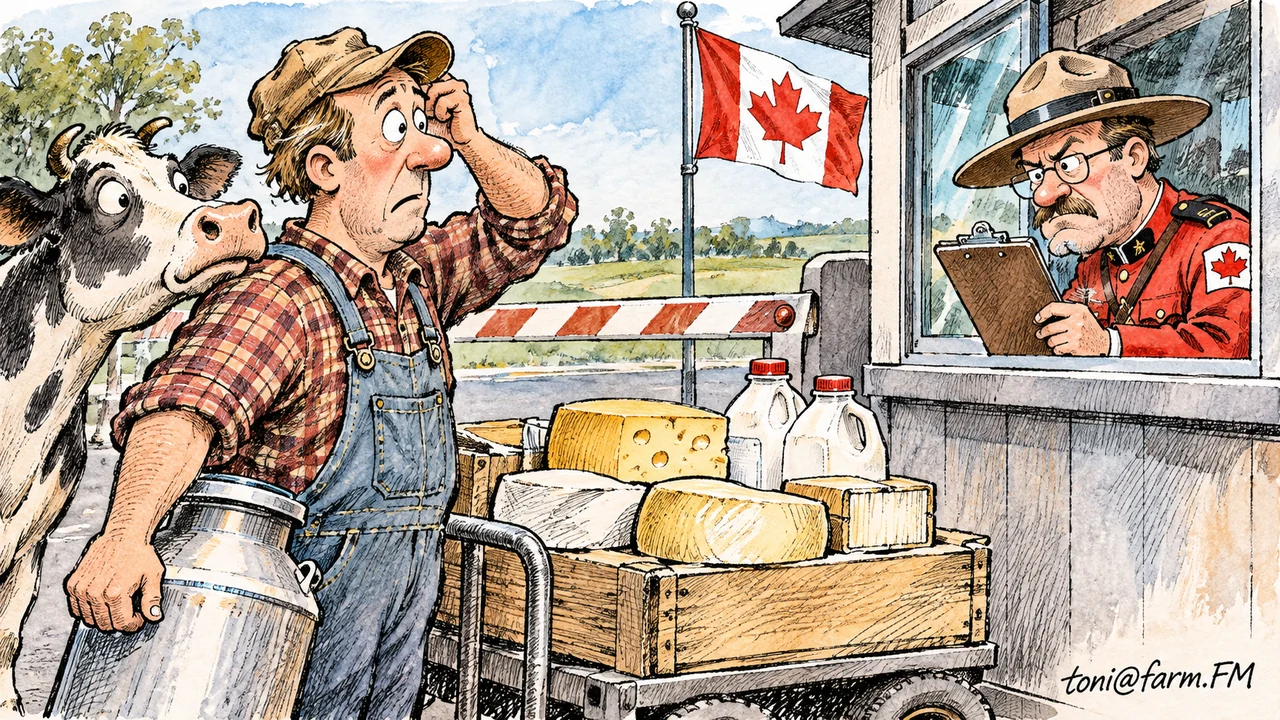
Is there a single birth date for an industry?
Industries grow in steps. Technology, transport, laws and markets change over decades. A year chosen as a birth date is usually a convenient marker, and different historians choose different ones. Our headline uses 1900 as the editorial marker.
Ask what the claim means. Does it refer to the first commercial dairies, the first processing plant or the first rules about milk? Each answer has its own evidence.
The answer depends on what you count. A historian of technology may point to milk cooling, while a historian of law may point to sanitation rules. Neither is wrong, and a good timeline explains the choice.
This is also why you should treat any single-year claim in this article series, ours included, as a prompt for research and not as a settled fact.
Where do you check a historical claim?
Use archives and official records. The Texas State Library and Archives and the National Agricultural Library are good starting points, and the Census of Agriculture traces farm numbers. Local newspapers and county histories add detail.
We have not verified any specific facts about 1900 here, and you should not treat our headline as evidence.
Record the claim, then your findings. If you cannot find evidence for 1900 specifically, say that the year is a convenient marker and name what you did find for nearby decades. That is honest and still useful to readers.
What themes mark a modern dairy industry?
Look for features such as commercial milk sales to towns, cooling and transport, sanitation rules, organized markets and specialized breeds. When they appear together in an area, the industry begins to look modern. Dates vary by place.
On the High Plains, the story differs from that of East Texas or the Gulf Coast.
Another good source is the family archive. Old milk checks, receipts and letters often show prices and buyers. Scan them, label them and keep the originals in a dry place away from sunlight.
- Sales to towns and processors
- Cooling and transport
- Sanitation and milk rules
- Organized markets and cooperatives
- Breeds chosen for milk
Why does milk safety history matter?
Milk safety has long been a public health issue. Rules for handling, pasteurization and inspection grew from concern about illness. Today the FDA and state agencies set standards, and producers follow them daily.
Reading the history helps explain why some rules exist and why they are taken seriously.
Producers today are used to inspections and testing. For a lot of early farms, those rules were new and sometimes unwelcome. Understanding that adds respect for both the farmers who adapted and the regulators who pushed.
How do you tell the story of your own farm?
Ask older relatives when the farm began selling milk, how it was hauled and who bought it. Compare their memories with records. If your farm has papers, photos or equipment from earlier decades, preserve them and note where they came from.
Take pride in details. A dated photo of a milk can or an old feed receipt makes an excellent display at a fair, as at this fair and rodeo guide.
If you plan to publish your findings on a website or newsletter, give credit and link to the sources you used, such as the census tables. Readers appreciate being able to check.
What lessons might a producer take today?
Dairy has always depended on cost control, good animal care and reliable buyers. Producers who adapted to changes tended to continue. For present-day planning, the budgeting pages at this farm money guide and herd pages at this dairy guide cover the basics.
Treat history as a source of questions, not as a guarantee about the future.
The best use of history on a working farm may be as a conversation starter with young people. Ask what they would have done in a given year, with the tools of the time, and listen to the answers.
Where can you read more?
farm.FM has dairy stories and cowboy poetry that keep older ways of farming alive, and a farm.FM piece on dairy history is a good companion.
Confirm any date you plan to repeat, and cite your source.
Check how any website describes its sources before you trust it. Pages that name the archive, the page number and the date are more reliable than pages with a general credit. If you can, ask a local extension resource to review your draft.
Sources and further reading
- Texas State Library and Archives: Texas records and history
- National Agricultural Library: agricultural research library
- Census of Agriculture: USDA census of farms
- FDA: food and drug safety
- Texas A&M AgriLife Extension: Texas extension service
- Texas Department of Agriculture: state agriculture agency
Ask locally: Ask a librarian or your county historical society to help you find primary sources about early dairies in your area.