1940: The Rise of Milking Machines in Texas
Our headline places the rise of milking machines in Texas in 1940. We have not verified that date, and adoption varied by farm. Here is how milking machines work in general, why they mattered and how to research your own area.
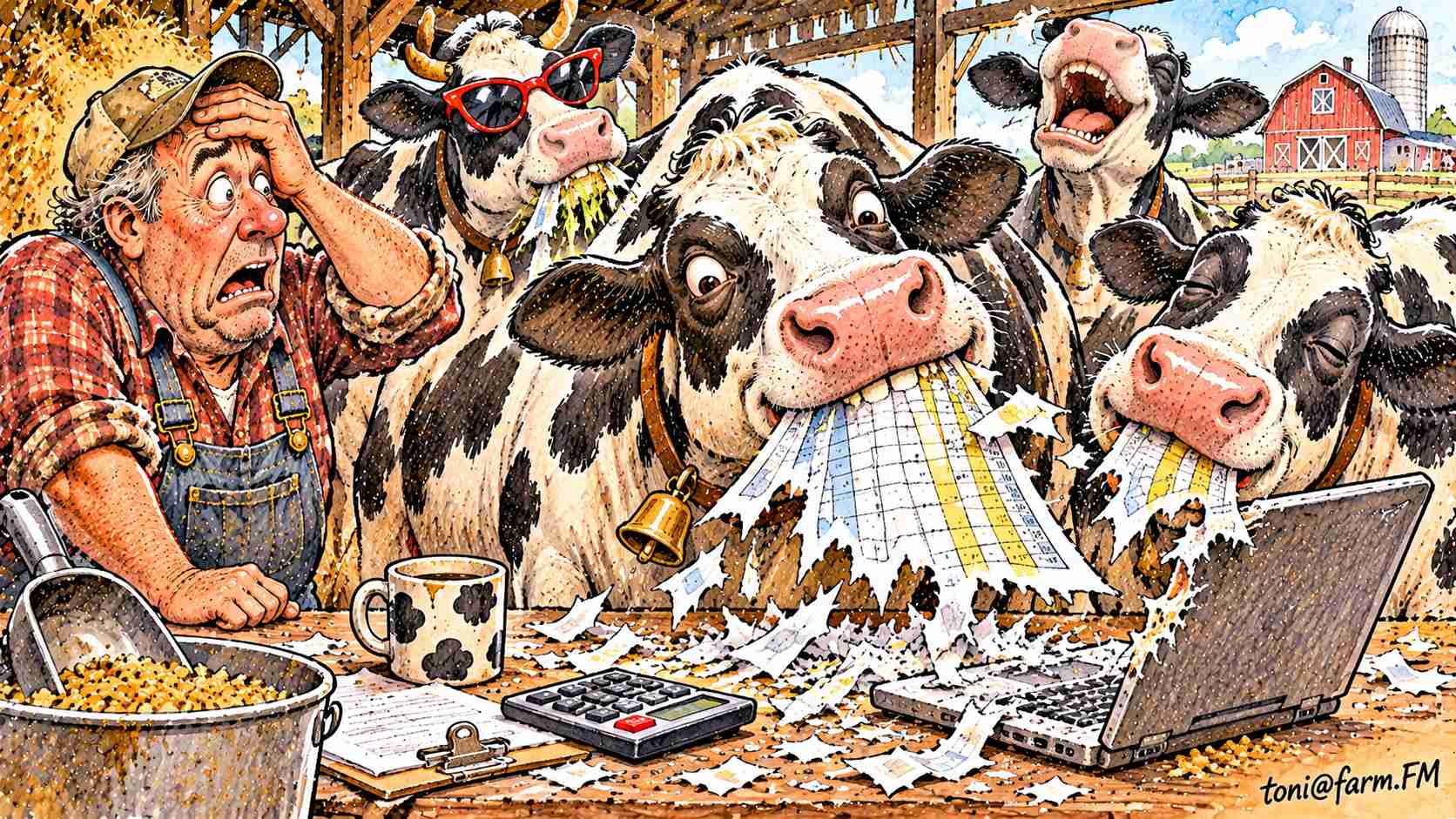
Can one year capture a technology shift?
Technology spreads unevenly. Some farms adopt early, others wait for power lines, money or a reason to change. A year like 1940 may be a convenient marker. Check sources before you repeat it.
For solid numbers on equipment in earlier decades, look at the Census of Agriculture and archives such as the National Agricultural Library.
The same applies to nearly every farm technology. Tractors, bulk tanks and computers each spread over decades, and local conditions decided the pace. A single date is a rough guide at best.
How does a milking machine work in general?
Machines use vacuum and pulsation to draw milk, with liners that gently open and close around the teat. Milk travels through lines to a tank or bucket. The basics are the same today, though controls and sensors have improved.
Good routines and clean equipment remain as important as the machine. For parlor and herd basics, see this dairy herd guide.
Anyone who has used an old unit knows it was loud, and that a worn liner or a weak vacuum could cause real trouble for cows. Maintenance was part of the job. That is still true, and a regular service check by a qualified technician is cheap insurance.
The shift also changed how families divided work, since many hands were no longer needed in the parlor. Ask relatives how chores changed, and who gained or lost responsibilities when machines arrived.
Why did machines change farm life?
Hand milking takes time and strong hands. Machines let one worker milk more cows, which allowed herds to grow and freed hours for other work. They also made hygiene and consistency easier to manage when well maintained.
Change also brought new costs: equipment, power and repair. Not every farm could afford it at once.
People also remember the change in a personal way: the end of hand milking, the first night with a machine, the pride or sadness of older family members. Capture these stories along with the facts, because they are history too.
- Faster milking and bigger herds
- More consistent routines
- New costs for equipment and power
- Need for maintenance skills
- Changes in how families shared work
What did electricity have to do with it?
Machines need power, and rural electrification came at different times in different places. Records of rural electric service and cooperatives can help date when farms could use machines. Try the Texas State Library and Archives for historical material.
Rural programs, including those at USDA Rural Development, have supported rural infrastructure in later years, though you should verify specifics from official sources.
If a farm lacked power, it might use a gas engine or wait. Those details differ across the state, from the Panhandle to East Texas, so be cautious about generalizing from one county to another.
How do you research your own farm's milking history?
Ask family and neighbors what they remember: who milked, how many cows, when the first machine arrived. Look for receipts, photos and equipment tags. Compare their answers with local newspapers and county records.
Write down uncertainty. If two people disagree, note both versions and the source of each.
Interview more than one person if you can. Memory plays tricks, and a second account often fills in or corrects the first. Thank everyone you interview and share your results with them.
What are today's safety lessons?
Modern parlors still have hazards: kicks, slips, noise and equipment injuries. Training and good design reduce risk. See the farm safety guide and OSHA for guidance.
Never let a history project distract you from safe work on a current farm.
Remember that machine milking brought new rules for cleaning. If you are curious about modern milk handling, see the standards described at the FDA and ask your handler about current requirements.
Where can you read more?
Over at farm.FM you can find dairy stories and farming stories full of milking tales, and a farm.FM piece on milking machines may raise a smile.
Check the date before you repeat it, and credit your sources.
If you are writing for a school or a newsletter, keep the tone warm and the facts modest. Say what you know, how you know it and what remains open, and readers will trust you more.
Sources and further reading
- Census of Agriculture: USDA census of farms
- National Agricultural Library: agricultural research library
- Texas State Library and Archives: Texas records and history
- USDA Rural Development: rural business and community programs
- OSHA: workplace safety
- Texas A&M AgriLife Extension: Texas extension service
Ask locally: Ask a local historian or your Extension office for records of equipment and rural electrification in your county.