The Best Time to Test Your Forages
A ration is only as good as the numbers behind it. Testing forages at the right moments tells you what cows are actually eating. Here is a simple schedule and sampling checklist.
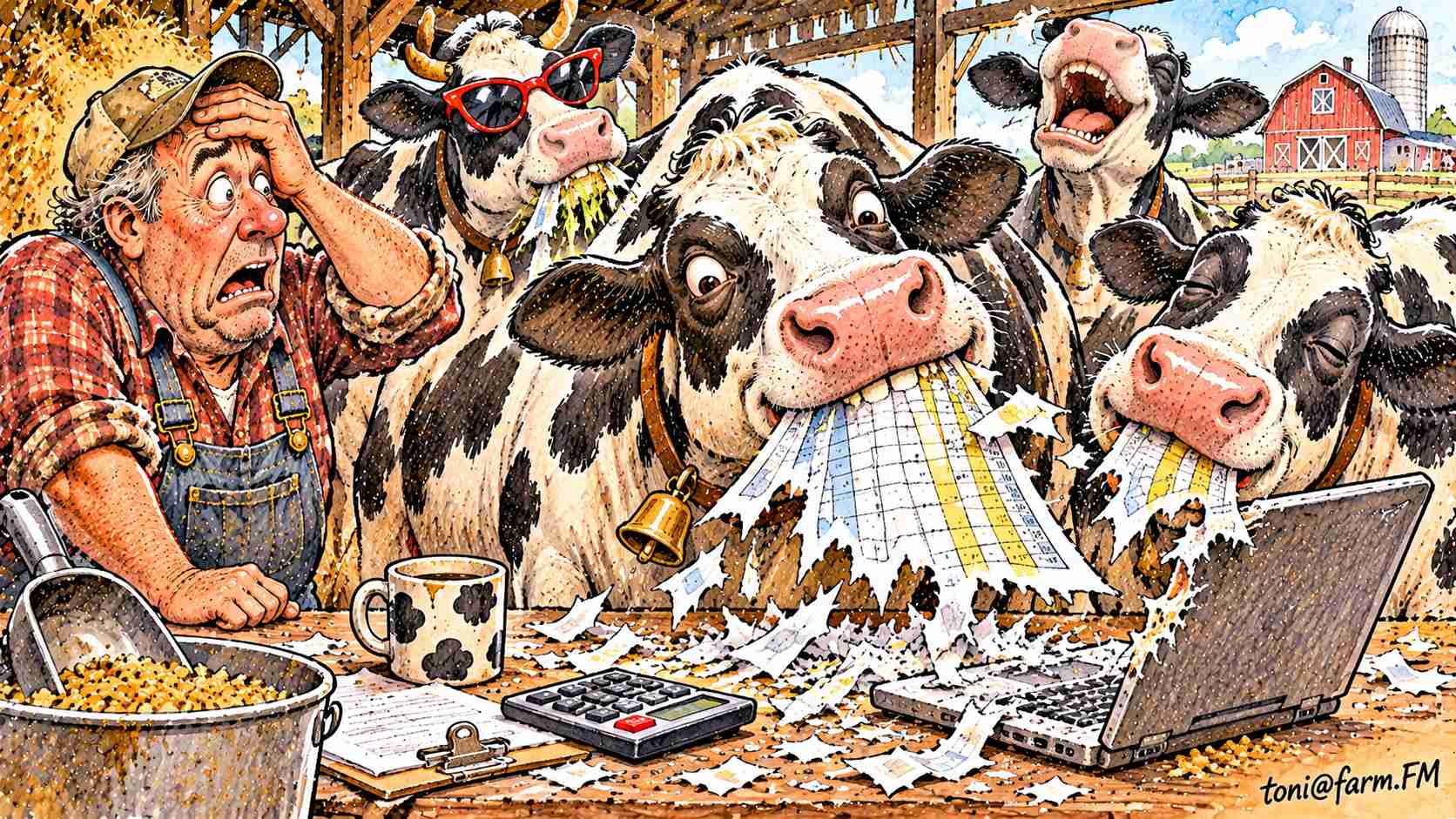
Why test forages at all?
Forage quality varies from field to field, cutting to cutting and year to year. Without testing, a nutritionist is guessing at fiber, protein, starch and moisture. Small errors add up to wasted feed or lost milk.
Testing is a modest cost compared with feed bills. Ask your nutritionist or Texas A&M AgriLife Extension specialist what tests matter for your ration.
If a lab report arrives and it looks very different from last year, do not panic. Look at what changed in the field or storage, then retest if something seems off.
When should you sample?
Good moments include harvest, after silage fermentation is done, when you open a new bunker or bag, and whenever feed looks or smells different. Hay should be tested by lot, ideally before you buy or at delivery. Local weather outlooks come from the NOAA climate pages.
A calendar can help, and this crop calendar guide can help you line up sampling with harvest and storage dates.
One more tip: sample new loads of purchased hay before you commit to a whole season's supply, because quality can vary widely between lots.
- At harvest or delivery
- After fermentation is complete
- At each new silage face or bag
- When weather or quality changes
- Before changing the ration
How do you collect a good sample?
Bad sampling gives bad numbers. Take many small grabs from different spots and mix them, instead of one handful from the top. Use clean tools and containers, seal them, label them and ship promptly to a certified lab.
Ask the lab for sampling instructions and keep a record of which field, cutting and pile each sample came from.
For hay, probe or core several bales from a lot, and keep sample bags from getting wet. For silage, take fresh material from the working face and avoid the surface layer that has already spoiled.
If you feed purchased byproducts or commodities, ask your supplier for recent analyses and compare them with your own samples.
What do the results tell you?
Reports include moisture, protein, fiber measures, starch, minerals and fermentation indicators. Your nutritionist uses them to balance rations so cows get what they need. A shift in a result may mean a change in what you feed.
General herd nutrition and care are covered at this dairy herd care guide.
Ask your nutritionist to explain which numbers they use most, so you learn which ones to watch. Over time you will start spotting trends before the report arrives.
Keep reports in a shared folder or spreadsheet so past results are easy to compare.
How do weather and drought change quality?
Drought, heat, hail and late rain affect forage quality. Stressed corn, for example, may test differently than normal corn. Watch the U.S. Drought Monitor and the National Weather Service to anticipate how a season may shift quality and plan testing accordingly.
If quality drops, you may need to buy supplements or change the mix, which affects the budget.
If forage quality gets worse, speak with your nutritionist early. Waiting a month to react costs far more than a quick sample.
Late-season rain on cut hay, for example, can cut quality noticeably, so a quick test after weather events is worth the cost.
What does it cost to skip testing?
Untested feed can leave cows underfed or overfed. Both cost money. Keep your test reports in a binder or spreadsheet and compare year over year. For economic data see the USDA Economic Research Service and the USDA NASS.
Talk to your lender if feed costs are rising and you need a cash flow plan. This is general education, not financial advice.
Keep a few extra sample bags and a marker in the truck, so no one skips a sample for lack of supplies.
Store hay under cover where you can, since weather exposure lowers quality and tests can show the difference.
How do you build the habit?
Post a sampling checklist in the feed office and assign one person to own it. Testing becomes routine when someone is responsible.
At farm.FM you can read farming stories and dairy stories, and a farm.FM item on forage testing adds some color.
Share results with whoever buys, chops and feeds. When the whole crew sees the numbers, quality becomes everyone's business.
Sources and further reading
- Texas A&M AgriLife Extension: Texas extension service
- U.S. Drought Monitor: weekly drought maps
- National Weather Service: forecasts and warnings
- USDA Economic Research Service: farm economy data and analysis
- USDA NASS: agricultural statistics and surveys
- USDA AMS: marketing and market news
Ask locally: Ask your nutritionist or Extension agent which forage tests to run and how to sample correctly.