The Timeline of the Next African Swine Fever Outbreak
African swine fever affects pigs, not cows, so why would a dairy care? Because outbreaks move markets, rules and feed, and mixed farms need a plan too.
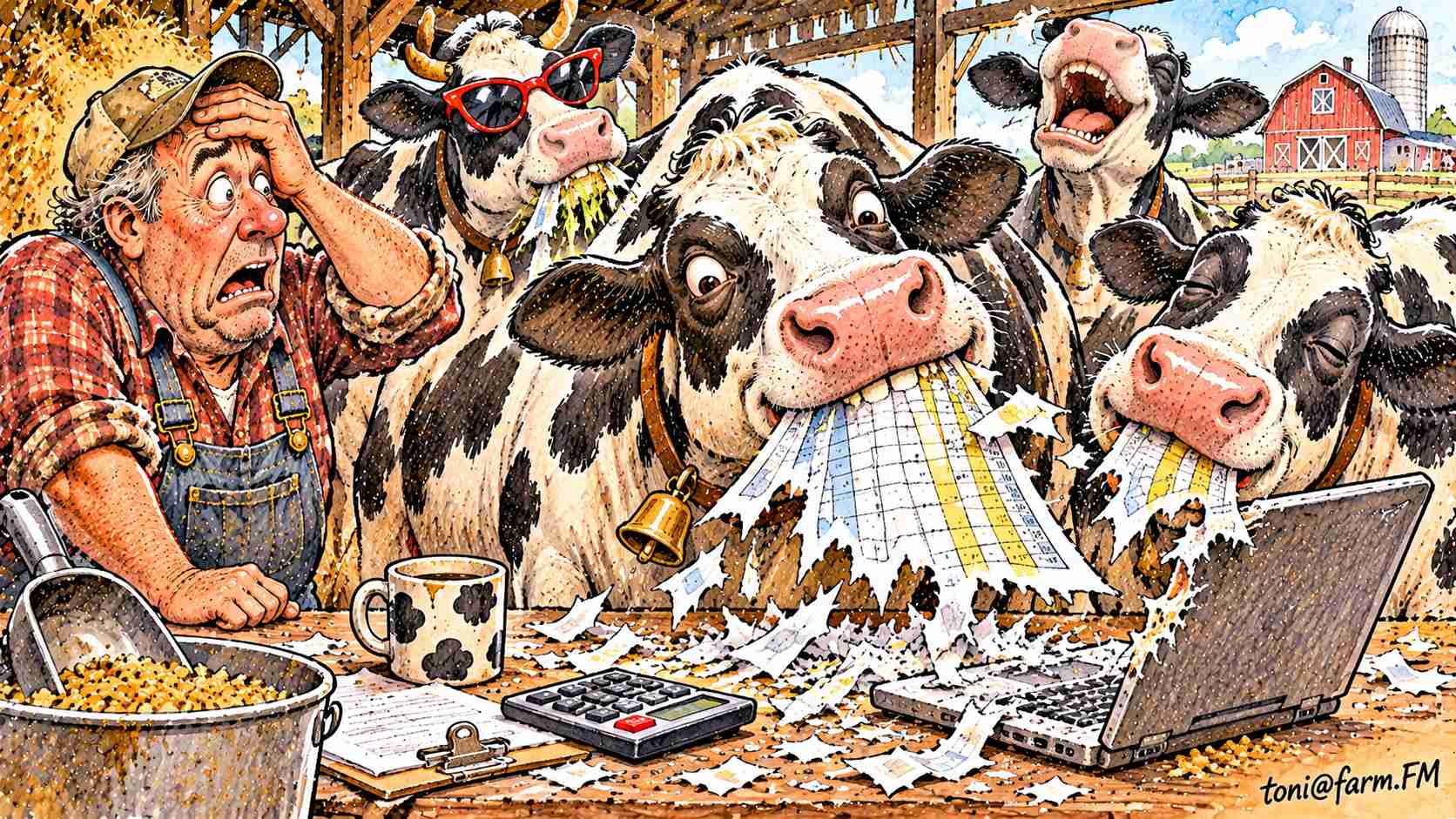
Does African swine fever matter to dairy?
The disease affects swine, not cattle, and officials describe it as a threat to the pork industry and trade. Even so, dairies live in the same communities, share roads, haulers, feed suppliers and sometimes land with swine operations. Some farms also keep a few pigs alongside cattle.
This article is not a veterinary guide and does not describe any current event. Read the USDA APHIS pages and the Texas Animal Health Commission for facts, and ask your vet about any swine on your property.
Remember that dairy and swine share a region and a calendar, even if they share little else. When someone down the road hears bad news about their animals, you will hear about it within hours, and good information beats rumor every time.
How might an outbreak ripple outward?
A detection in one place can trigger restrictions, trade reactions and feed price movements. Corn and soybean markets sometimes shift when export prospects for meat change, and those shifts can reach dairy rations. The USDA Economic Research Service and USDA AMS publish market information worth tracking.
Hauling and rendering services may also change their rules. Ask your regular vendors whether they serve swine operations and what biosecurity steps they use between stops. A short conversation now can prevent surprises later.
Local flavor matters too. The Texas Panhandle sits among large feeding operations, grain markets and packing plants, so a swing in meat trade can show up in your corn and cottonseed bids faster than you might expect. Keep an eye on your own regional price quotes, not only national headlines.
- Ask vendors about their biosecurity between farms
- Note feed price sensitivity in your budget
- Know if neighbors raise swine
- Check where your rendering and hauling services travel
What should a mixed farm do?
If you keep any pigs, follow your veterinarian and official guidance closely. Keep swine separate from other animals and from visitors, avoid feeding food scraps and keep careful records of movements. Rules about swill and feeding practices can be strict, so check the official language.
If you do not keep pigs, your main job is awareness and good habits. Maintain visitor rules, clean equipment and ensure that feed sources are reputable. Review the dairy herd guide for general approaches to herd health.
What does the timeline look like in practice?
An early stage involves news and official alerts. A response stage follows, with testing, movement rules and communication to producers. After that comes a long recovery phase, as markets and trade relationships adjust. Each stage can last a different amount of time, so do not look for fixed numbers here.
For your dairy, the early stage is for reading and checking. The response stage is for calling your suppliers and buyers. The recovery stage is for reviewing budgets and updating your plan. Keep notes at each step, even short ones.
A short written timeline also helps when a lender, buyer or insurer asks what you did and when. Even brief notes carry weight later.
How can you prepare your budget and finances?
Pressure from feed costs or market reactions can nudge margins. Run a simple what if exercise: how would your numbers look if feed rose or milk price softened? Your lender, accountant or Extension farm management educator can help. This is general education, not financial advice.
The Dairy Margin Coverage program is designed around milk and feed costs, and its signup terms change, so check the official page. This farm money guide offers budgeting basics.
If you are sizing up cooperative or lender conversations, bring a one page summary of feed costs, milk price assumptions and cash on hand. Specific numbers make the discussion more useful than a general worry.
Where does public information come from?
Stay with primary sources. The USDA publishes official information, Texas A&M AgriLife Extension translates it for Texas farms and the National Milk Producers Federation follows policy. Compare headlines with the official page, and be cautious about rumors.
For a lighter take on farm life and its worries, farm.FM has stories like a farm.FM look at swine disease and the farm economy. Browse the agribusiness page or the farm.FM news page.
Finally, share the plan with your vet and your hauler so they know what you expect from them in a response. Good plans are shared plans.
Sources and further reading
- USDA APHIS: animal and plant health
- Texas Animal Health Commission: animal disease rules
- USDA Economic Research Service: farm economy data and analysis
- USDA AMS: marketing and market news
- Dairy Margin Coverage: FSA Dairy Margin Coverage program
- USDA: U.S. Department of Agriculture
Ask locally: Ask your veterinarian and feed supplier how swine disease news could affect your area.