2020: The Impact of the COVID-19 Pandemic on Texas Dairy
The pandemic hit dairy in an unusual way: demand shifted overnight while the cows kept making milk. Here is how that played out and what producers can take from it.
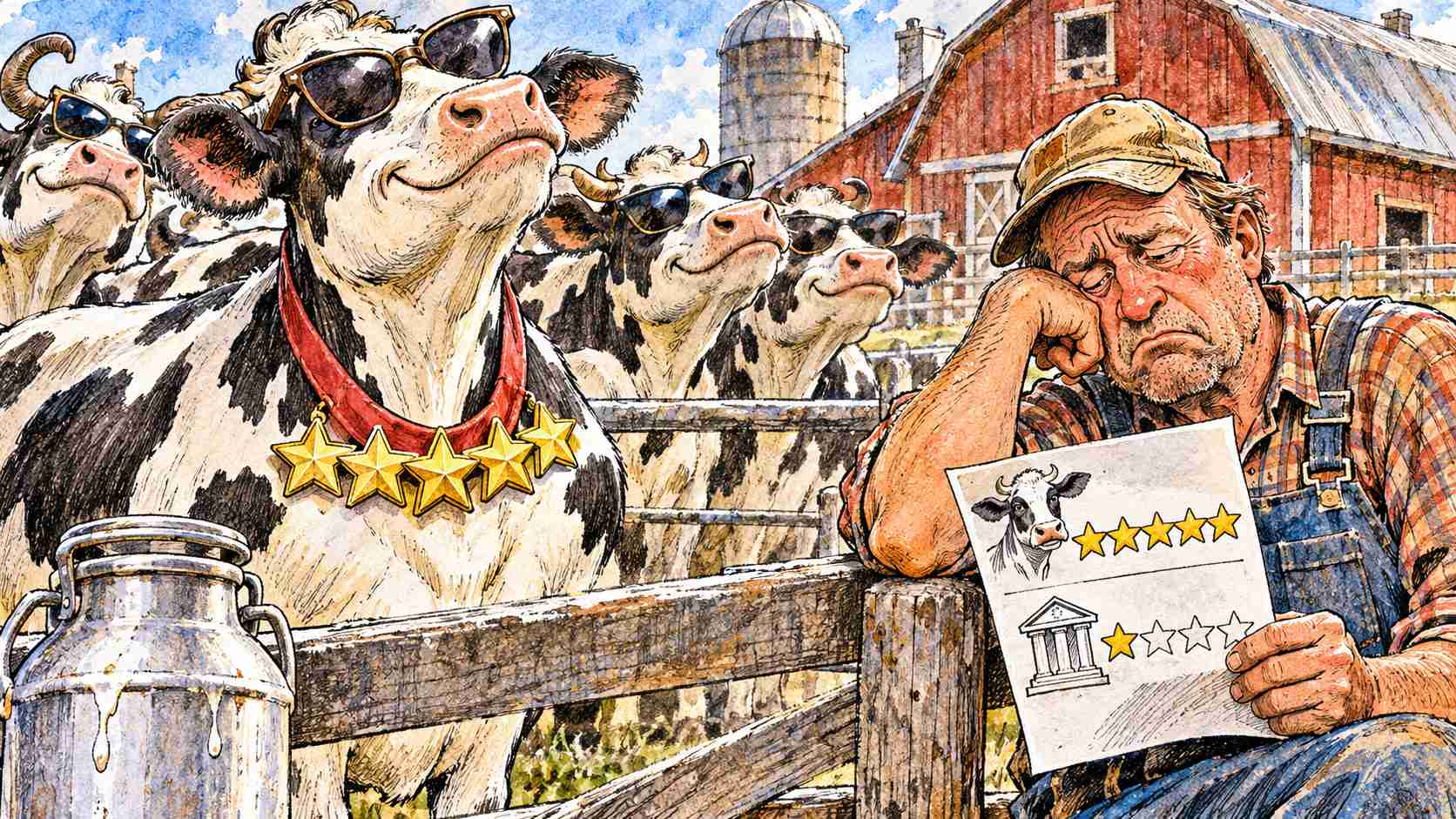
What made the pandemic hard on dairy specifically?
Cows do not pause. When restaurants, schools and cafeterias closed, the milk and cheese that fed those channels needed somewhere else to go, while grocery demand spiked in different packages. Plants built for one kind of customer struggled to retool quickly.
Details such as exact price swings and program payments should be confirmed at official sources. The USDA Economic Research Service and USDA Dairy Market News keep records of price and trade movements across that period.
How did supply chains and milk movement react?
Some farms faced pressure to cut back shipments or dump milk because there was no outlet. Others saw demand jump for retail packs. Trucking, packaging and plant staffing all became bottlenecks. The lesson was that a milk check depends on a long chain of businesses, each of which can break.
The National Milk Producers Federation and Dairy MAX documented how cooperatives and promotion groups worked on outlets, and those sources are useful for a closer look.
Some producers added direct sales or short-term storage, and others leaned on cooperative marketing. None of those options were available to everyone, which is a good reason to ask now what flexibility your own buyer contract provides.
What happened with labor and safety?
Dairies run seven days a week, and absences hit hard. Producers worked on distancing in break areas, staggered shifts and cleaning routines. Health guidance came from the CDC, and workplace rules from OSHA.
For general farm safety planning, you can see this farm safety guide. A crew that cross-trains is more resilient to any sudden shortage, illness or not.
Workers also faced family pressures, school closures and health worries of their own. A manager who listened, paid on time and communicated clearly often kept a crew together when other farms lost people.
- Cross-train key tasks
- Write down who covers whom
- Keep contact lists current
- Know where to find official health guidance
What federal help existed, and how do you check it?
Federal programs shifted over that stretch, and eligibility, payment rates and sign-up windows were specific to each one. Do not rely on memory or a forum post. The USDA Farm Service Agency and Farmers.gov are where official program records live, and your county FSA office can explain what applied to your operation.
The ongoing margin program is covered at FSA Dairy Margin Coverage, where you can confirm current terms.
Remember that rules and deadlines for any program are set by the agency, not by commentary. If someone tells you that you missed out, ask them to point to the official page.
What did it teach about financial planning?
A stress test is worth more than a forecast. Ask what happens to your cash flow if milk drops for six months, if feed spikes, or if a key buyer changes terms. Keep a plan for lines of credit and talk to your lender before you need them. Basics are summarized at this farm money guide.
This is general education, not financial advice. A licensed adviser can fit it to your numbers.
Finally, keep perspective. Dairy producers adjusted quickly in a hard year, and many of the changes they made, such as better communication and tighter cost control, paid off long after the headlines moved on.
What should a Texas dairy keep from that year?
Keep the habits: a written contingency plan, a relationship with more than one buyer where possible, a documented crew backup plan and a regular lender check-in. Keep notes while memories are fresh, because they will help you in the next disruption.
Mental load was heavy for many families. If stress feels like too much, 988 (call or text) is available any time through the 988 Suicide & Crisis Lifeline. On a lighter note, farm.FM has dairy stories and farm news and satire, including a farm.FM story about dairy through the pandemic.
How should you document a disruption like this one?
Write down what happened while you remember it: dates your buyer changed terms, extra costs for supplies, changes in labor hours and any loan or program conversations. A simple notebook or spreadsheet is enough. These records support insurance questions, loan discussions and tax preparation.
The IRS publishes farm tax guidance, and a licensed tax professional can explain how unusual years affect your return. Keeping clean records is the easiest way to make that conversation short.
Sources and further reading
- USDA Economic Research Service: farm economy data and analysis
- USDA Dairy Market News: weekly dairy price reports
- National Milk Producers Federation: dairy cooperatives and policy
- CDC: public health
- OSHA: workplace safety
- Dairy Margin Coverage: FSA Dairy Margin Coverage program
Ask locally: Ask your milk buyer, your lender and your county FSA office about planning for sudden market changes.