The Best Time to Clean Your Milking Parlor
The honest answer is right after every milking, but a parlor also needs a weekly deep clean and a bigger seasonal reset. Here is how to build a rhythm that fits a Texas dairy.
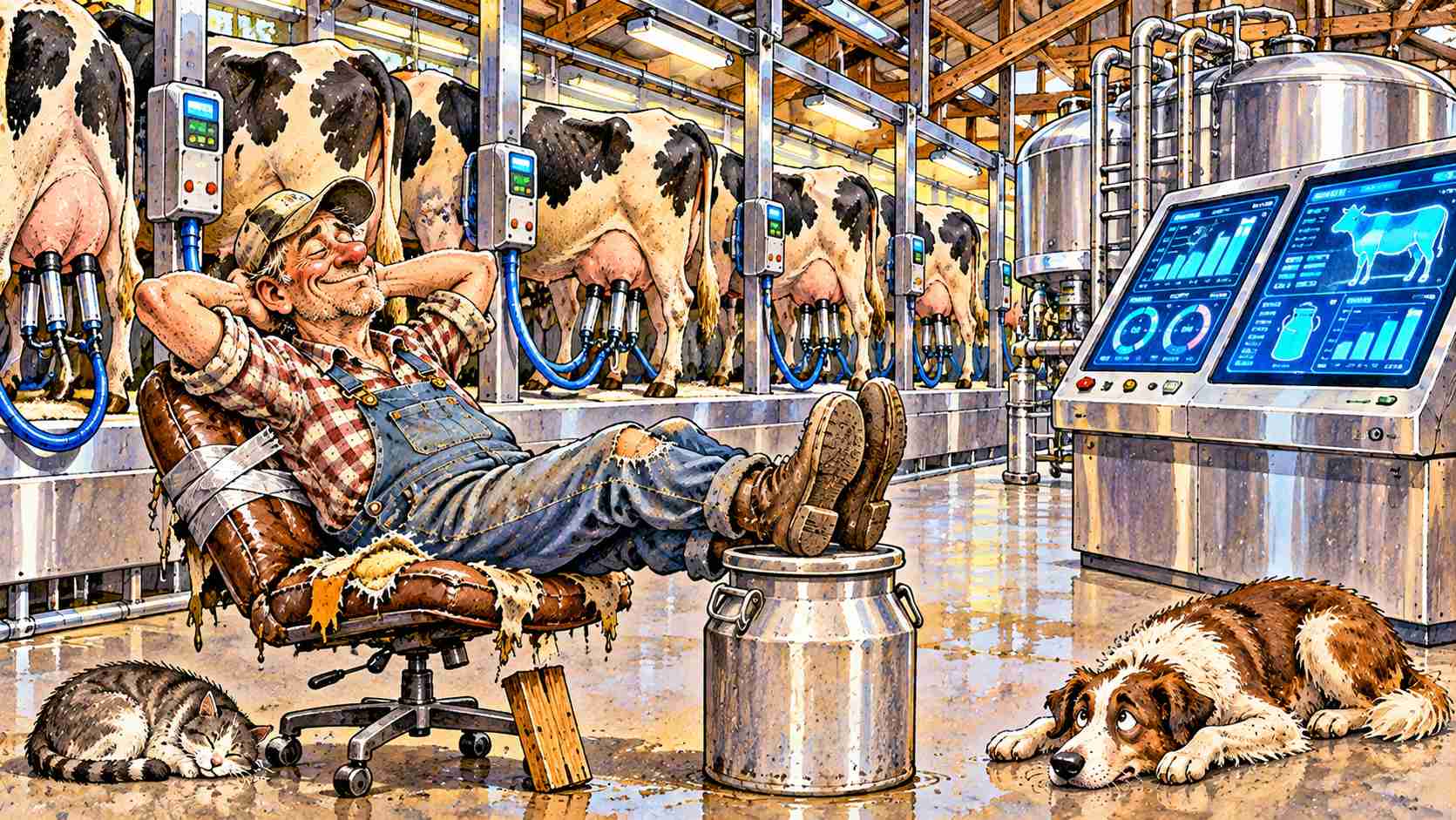
When should a milking parlor be cleaned?
Cleaning happens on three clocks at once. The first is the wash cycle after every milking, when milk residue is fresh and easy to remove. The second is a weekly deep clean of the pit, walls, floors and the gear people forget to touch. The third is a seasonal reset, where you look at everything that wears out or traps moisture.
Waiting until a parlor looks dirty is the wrong trigger. Biofilm and mineral scale build up before they are visible, and by the time you see a problem, your milk quality numbers may already be telling the story. Pick fixed times and write them down, so cleaning does not depend on who happens to be on shift.
What goes into the after-every-milking routine?
Most herds follow a sequence of rinse, wash, sanitize and drain. The exact products, temperatures and contact times come from your equipment dealer and your milk buyer, so ask them for the written wash procedure rather than copying one from a neighbor. Hard water around Hereford and across the Panhandle can change what works, which is one more reason to get a procedure matched to your own water.
The Texas A&M AgriLife Extension dairy specialists are a good place to ask how local water quality affects detergent choice. They can also point you toward training for new employees, which matters because a wash cycle is only as good as the person who sets it up.
- Rinse lines and units before detergent so protein does not bake on
- Check wash temperature and detergent strength on a schedule, not by feel
- Drain completely so standing water does not grow bacteria
- Log who ran the wash and when
What belongs in the weekly deep clean?
Weekly is the time for the places the daily wash does not reach: gaskets, inflations that show wear, the receiver jar, filters, drain grates, and the corners of the pit. Hoses and liners have a replacement schedule from the manufacturer, and weekly checks help you catch cracks early.
Take the chance to look at the people side too. Wet floors, loud pumps and chemical handling carry real risk, and OSHA guidance on slips, chemicals and machinery is worth a quick read before you retrain the crew. The farm safety basics on our sister guide site cover common hazards in plain language.
How does the season change the schedule?
Summer heat speeds bacterial growth and flies move in, so many producers tighten their cleaning and fly control between May and September in the Panhandle. Winter brings freezing lines, slick concrete and heavier mud tracked into the parlor, so drainage and heated water deserve a look before the first hard freeze.
A calendar helps here. Mark a spring reset and a fall reset, and use them to service pulsators, check vacuum levels and replace worn rubber. If you are weighing the cost of a bigger upgrade, the dairy herd care guide covers equipment and herd health in general terms.
Who sets the standards you have to meet?
Your milk buyer or cooperative, your state regulators and federal food safety rules all shape what a clean parlor has to look like. The FDA publishes the national milk safety framework, and the National Milk Producers Federation explains how cooperatives and quality programs fit together. Inspection schedules and thresholds change, so confirm current requirements with your buyer and the official source.
Over at farm.FM dairy the writers lean on dairy humor more than regulation, but their stories are a good reminder that every parlor has a character, quirks included. If you want something lighter between audits, try a farm.FM story about life in the milking parlor.
What should you check before and after a cleaning day?
Keep a short checklist taped to the wall. Before: confirm water supply, heater function, chemical stock and drain flow. After: look at teat-cup liners, check for residue, and note any part that needs replacing. A simple record also helps if a buyer ever asks about a quality flag.
The Dairy MAX team and the Hoard's Dairyman archive both carry practical parlor routines written by people who have done the work. For disease concerns that go beyond hygiene, the Texas Animal Health Commission is the state source to ask. A little humor does not hurt either, so a visit to farm satire makes a decent coffee break.
Sources and further reading
- Texas A&M AgriLife Extension: Texas extension service
- OSHA: workplace safety
- FDA: food and drug safety
- National Milk Producers Federation: dairy cooperatives and policy
- Dairy MAX: dairy promotion in the Southwest
- Texas Animal Health Commission: animal disease rules
Ask locally: Ask your milk buyer's field rep and your local AgriLife Extension dairy contact to review your wash procedure.